A child’s day is often shaped by small food choices: what goes into the school bag, what appears after playtime, and what is served when hunger strikes between meals. Choosing healthy homemade snacks for kids can make these moments more nutritious without making food feel boring or restrictive. The goal is not to remove treats or familiar flavours, but to create a balanced food environment where children can enjoy snacks while receiving useful nutrients. Simple ingredients can provide energy and essential nutrients while introducing children to a wider variety of foods. With thoughtful choices, everyday snack time can also become a chance to build positive eating habits that last as children grow.
Better Snack Basics
Children need regular energy because their bodies and minds are developing quickly. Snacks can bridge the gap between meals, especially during school hours, sports, outdoor play, or busy afternoons. However, a snack should do more than simply reduce hunger.
A useful snack can combine ingredients from different food groups. Whole grains, fruits, vegetables, pulses, dairy products, nuts, seeds, and eggs can all contribute valuable nutrients. The exact combination depends on the child’s age, preferences, allergies, and overall diet. Parents can also pay attention to portion size. A snack does not need to be as large as a full meal.
Home Food Wins
Homemade food offers parents greater control over ingredients. A simple roasted snack, vegetable sandwich, fruit bowl, or homemade dip can be adjusted according to a child’s preferences and nutritional needs.
For example, whole wheat bread can replace refined flour bread, while grated carrots, cucumber, or beetroot can add colour and texture to sandwiches. Homemade popcorn with mild seasoning can become a better alternative to heavily flavoured packaged snacks. The advantage is not perfection.
Taste Meets Health
Children often judge food before taking the first bite. Colour, texture, smell, shape, and familiarity can influence whether they accept something new. This is why nutritious food should not be presented as a punishment or a compromise.
A plate containing colourful fruit, small sandwiches, roasted makhana, or homemade vegetable bites can feel more appealing when arranged in an interesting way. Different shapes can also make ordinary ingredients feel new. Parents can introduce healthier versions of familiar foods instead of suddenly changing everything.
Fun Food Ideas
The phrase fun healthy snacks for kids does not have to mean elaborate recipes. Fun can come from presentation and choice.
Fruit pieces can be arranged into simple patterns. Yogurt can be paired with chopped fruit and seeds. Small vegetable rolls can be cut into bite-sized pieces. Homemade energy bites can combine oats, dates, nuts, and seeds where suitable. Another useful approach is to let children participate in preparation. They can wash fruit, arrange ingredients, mix a simple dip, or choose between two snack options.
Smart Drink Choices
Drinks deserve the same attention as snacks because children may consume them several times throughout the day. Water should remain an important part of daily hydration, while milk and other suitable beverages can contribute nutrients depending on the child’s needs.
Parents should be careful with drinks that contain large amounts of added sugar. Sweet beverages may become a routine source of excess sugar without providing much nutritional value. A kids health drink can be considered when it fits the child’s diet and provides useful nutrients. However, it should complement a balanced diet rather than replace nutritious meals or become the main source of essential nutrients.
Easy Tiffin Plans
School tiffins can become repetitive when parents rely on the same few foods every day. A simple rotation can keep meals interesting without creating unnecessary work. One day might include a vegetable sandwich with fruit. Another could feature homemade millet bites with yogurt. A third could include roasted snacks alongside a small portion of cheese and fresh vegetables.
The focus should be on variety rather than making every tiffin perfectly balanced. Across several days, different grains, vegetables, fruits, protein sources, and dairy foods can provide a broader range of nutrients. Parents should also consider practical details. Food should be easy to eat, suitable for the child’s school environment, and packed in a way that keeps it fresh. A nutritious snack that remains untouched is not particularly useful.
Label Check Matters
Packaged food can still have a place in a child’s diet, but reading the label helps parents make informed choices. Ingredients, added sugar, sodium, serving size, and nutrition information can reveal important differences between products that appear similar.
Parents do not need to understand every technical term on a label. Starting with the ingredient list and nutrition panel is enough to develop better awareness.
Balanced Food Habits
Healthy eating is easier to maintain when children do not feel that certain foods are completely forbidden. Excessive restriction can sometimes make less nutritious foods seem even more attractive.
Instead, families can build predictable routines around meals and snacks. Children can learn that fruit, vegetables, grains, dairy, pulses, and other nutritious foods are normal parts of everyday eating, while occasional treats can also fit into a balanced lifestyle. Parents can model these habits themselves. Children often observe what adults eat, how they talk about food, and whether family meals are relaxed or stressful. Creating a positive environment can make healthy choices feel normal rather than forced.
See also: Planning Efficient Supplies for High-Volume Dessert Kitchens
Conclusion
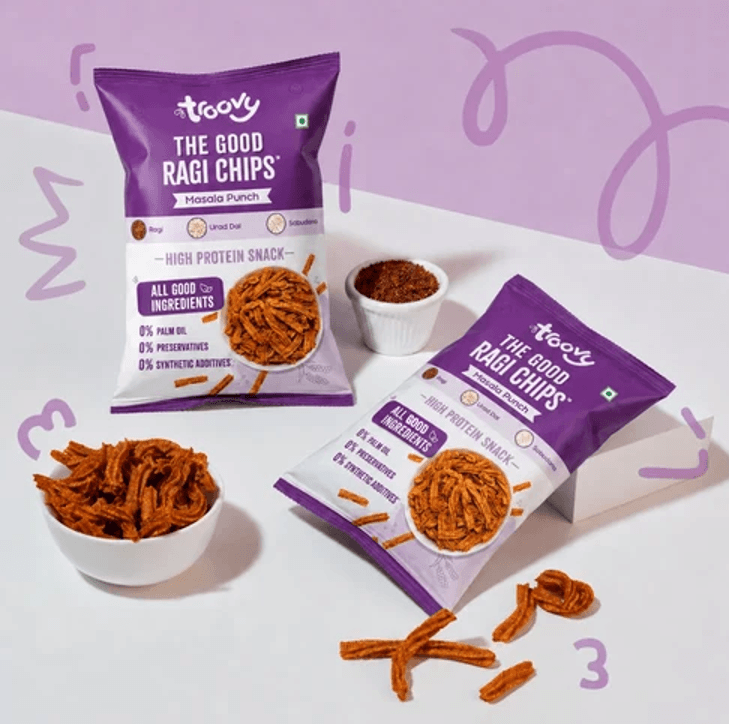
Good children’s nutrition is built through repeated everyday choices rather than one perfect recipe. Snacks can provide energy, introduce new foods, and make room for variety while still allowing children to enjoy what they eat. For families looking for convenient options that fit this balance between nutrition and child-friendly taste, Troovy Foods offers a range of products that can complement everyday snack and meal routines. The most useful approach combines nutritious ingredients, familiar flavours, sensible portions, and occasional creativity. Fun healthy snacks for kids can make this routine more appealing while helping children become comfortable with nutritious choices. With a little planning, snack time can become an opportunity to build healthier habits without taking away the enjoyment that makes food exciting for children.