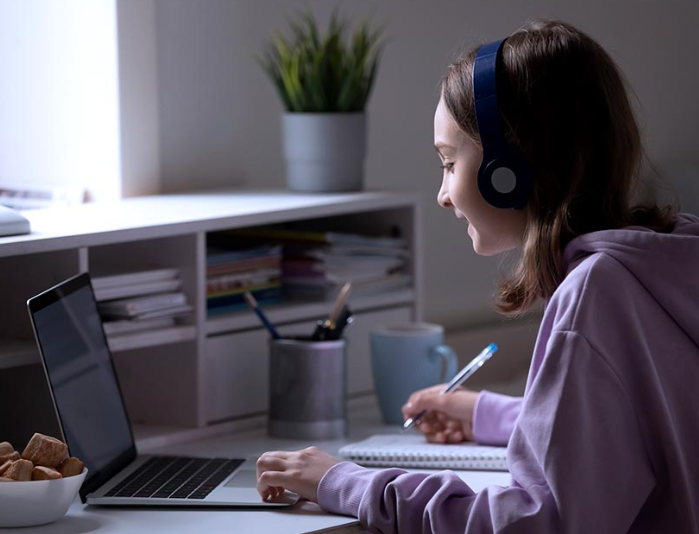
Technology plays a critical role in supporting remote learning by fostering interactive environments that enhance student engagement. Through tools that enable real-time feedback and collaboration, learners can develop vital skills. Furthermore, the availability of diverse online resources expands their understanding of various subjects. This shift towards personalized learning experiences allows for individual pacing. Yet, the implications of these advancements raise questions about their long-term impact on education and student outcomes.
Interactive Learning Environments
As remote learning continues to evolve, interactive learning environments emerge as vital tools that enhance student engagement and comprehension.
Virtual classrooms, equipped with gamified learning elements, foster an immersive educational experience.
These environments not only captivate students’ attention but also promote critical thinking and problem-solving skills, enabling learners to explore concepts freely and creatively.
Ultimately, this transformation changes the way education is delivered and experienced.
See also: prono-choc
Enhanced Communication and Collaboration
Interactive learning environments not only enhance engagement but also pave the way for improved communication and collaboration among students and educators.
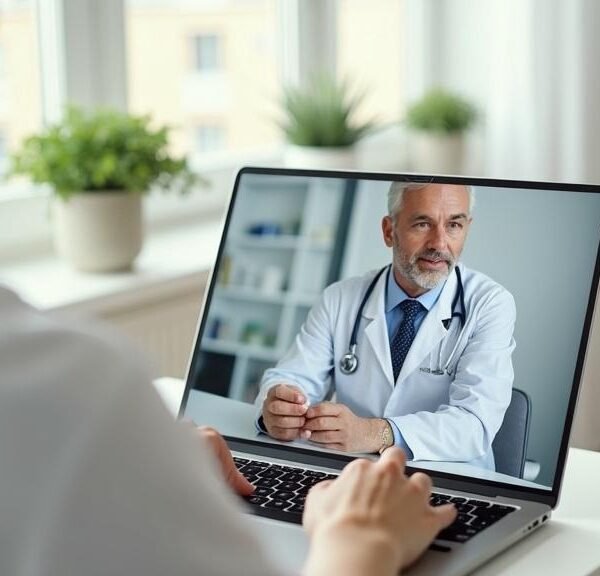
Virtual classrooms facilitate seamless interaction, enabling real-time feedback that fosters a dynamic educational experience.
This exchange of ideas nurtures a sense of community, empowering learners to connect meaningfully, share insights, and collaborate effectively, ultimately enriching the remote learning journey.
Access to Diverse Resources
Access to diverse resources significantly enhances the remote learning experience, allowing students to explore a wealth of information beyond traditional textbooks.
Virtual libraries and online databases serve as gateways to a multitude of perspectives and knowledge. This access empowers learners to engage critically with content, fostering independence and creativity.
Personalized Learning Experiences
Personalized learning experiences have revolutionized the educational landscape, tailoring instruction to meet the unique needs of each student.
Through the implementation of adaptive assessments, educators can gauge individual progress, while individualized feedback fosters a supportive learning environment.
This innovative approach empowers learners, granting them the freedom to explore at their own pace, ultimately enhancing engagement and promoting deeper understanding in remote learning settings.
Conclusion
In conclusion, while some may argue that technology diminishes personal interaction in remote learning, it actually fosters a new kind of engagement that can enhance collaboration and communication. By utilizing interactive tools and diverse resources, students can connect in meaningful ways, transcending geographical barriers. The ability to personalize learning experiences empowers individuals to thrive at their own pace, ultimately enriching the educational landscape. Thus, technology stands as a powerful ally in transforming remote learning into a dynamic and inclusive experience.