Technology is reshaping the transportation landscape through significant advancements in electric vehicles, autonomous systems, and intelligent traffic management. Electric vehicles are gaining traction due to improved battery efficiency and widespread charging infrastructure. Meanwhile, autonomous vehicles are redefining urban mobility by offering on-demand services. Additionally, drones are revolutionizing delivery operations, enhancing efficiency. These developments suggest a future where transportation is not only more accessible but also sustainable. The implications of these changes warrant further exploration.
The Rise of Electric Vehicles
As the world grapples with the urgent need for sustainable transportation solutions, the rise of electric vehicles (EVs) represents a pivotal shift in the automotive landscape.
Enhanced battery technology is crucial for increasing range and efficiency, while robust charging infrastructure is essential for widespread adoption.
Together, these advancements not only empower consumers with freedom of mobility but also contribute significantly to reducing carbon footprints globally.
See also: prono-choc
Autonomous Transportation Innovations
The evolution of electric vehicles has set the stage for the next significant advancement in transportation: autonomous innovations.
Robotic taxis, equipped with advanced sensors and artificial intelligence, promise to redefine urban mobility by offering convenient, on-demand transportation.
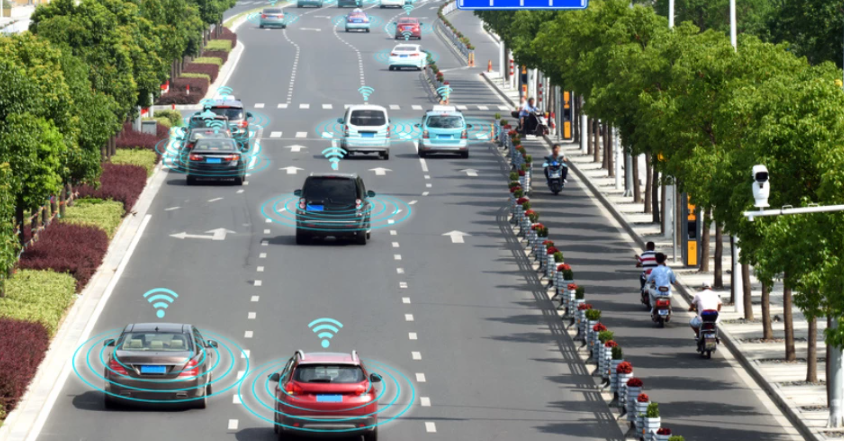
Furthermore, connected vehicles enhance safety and efficiency, allowing seamless communication between cars and infrastructure, ultimately fostering a future where freedom of movement is both accessible and sustainable.
Smart Traffic Management Solutions
While urban areas continue to grapple with increasing congestion and pollution, smart traffic management solutions emerge as a pivotal strategy for enhancing mobility.
Utilizing real-time analytics, these systems optimize traffic flow by adjusting adaptive signals based on current conditions.
This data-driven approach not only reduces travel times but also minimizes emissions, fostering a more sustainable and efficient transportation network that promotes individual freedom and accessibility.
The Impact of Drones on Delivery Services
With the rapid advancement of drone technology, the landscape of delivery services is undergoing a significant transformation.
Drones promise enhanced delivery efficiency by reducing transit times and operational costs.
However, the implementation of drone regulations remains critical to ensure safety and public acceptance.
As companies navigate these regulations, the potential for drones to revolutionize logistics and empower consumer choice continues to expand.
Conclusion
In conclusion, the integration of electric vehicles, autonomous systems, and smart traffic management is not merely a trend but a transformative shift in transportation. As cities embrace these innovations, one must ponder: how will these advancements redefine our understanding of mobility and accessibility? By fostering a sustainable and efficient transportation ecosystem, technology promises to enhance urban living, reduce environmental impact, and reshape the future of travel, ultimately paving the way for the smart cities of tomorrow.