Picture a late July thunderstorm that sits over the foothills for about an hour. By dinner, brown water has pushed under the back door and spread across the basement carpet. Most homeowners open the insurance app before they grab a mop. That reaction makes sense, though the first question on the claim is one few people expect. Where did the water come from?
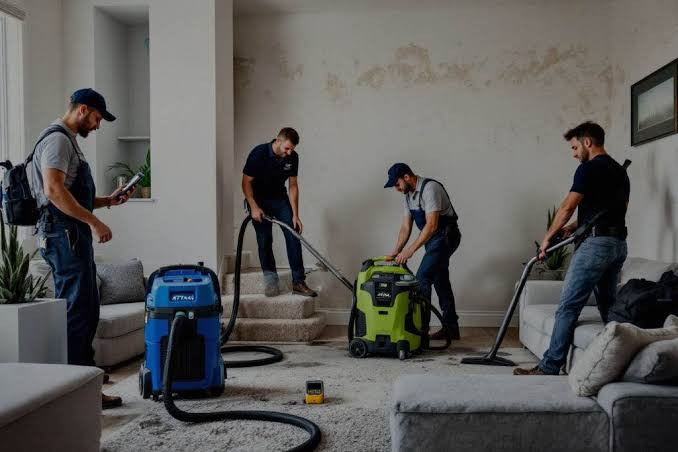
The answer affects the paperwork and the cleanup. Water that rose from outside gets handled differently from water that came out of a broken pipe, even when both leave the same soggy carpet behind. An emergency flood restoration crew usually starts by tracing the entry point, since that detail shapes both the cleaning plan and the records an adjuster will ask for.
Many homeowners assume a basement full of stormwater counts as ordinary water damage. It often does not. A technician from Restoration Logistics in Boulder would likely photograph the grading outside, along with the window wells and door thresholds, before anyone moves a single piece of furniture.
Flash Flood Risk and Your Water Damage Claim
The City of Boulder describes its flash flood risk as the highest in Colorado, and it names April through September as the months when that risk runs highest. Part of the city sits inside the regulated 100-year floodplain, an area with a 1 percent chance of flooding in any given year. Is your house outside that line? That is good news, since it lowers the odds, but the city also points out that properties outside mapped floodplains can still flood.
Insurance language gets narrow here. The National Flood Insurance Program treats a flood as a general and temporary condition that covers two or more acres of normally dry land, or two or more properties, and it lists unusual and rapid surface water runoff as one cause. FEMA also states that most standard homeowners policies do not cover flood damage. A separate flood policy typically needs 30 days to take effect, so buying one after the storm will not help with this loss.
Here is why the source changes the cleanup, too.
See also: Building a More Organized Approach to Legal Services
What Flood Cleanup Looks Like When Water Comes From Outside
Floodwater that crossed soil and pavement carries whatever it picked up along the way. Crews treat it as contaminated water. The work changes in a few ways:
- Crews usually remove wet carpet and pad instead of drying them in place
- Technicians cut drywall above the waterline so they can clean the wall cavity
- Hard surfaces get a cleaning and an antimicrobial treatment
- Workers wear gloves and respirators while they pull out damaged material
- Someone logs moisture readings each day until the materials reach a dry standard
A leak from a supply line inside the house is often cleaner, and some materials can be dried and kept. It depends on how long the water sat. After a day or two, even clean water can pick up enough bacteria to change that plan, and the crew may end up treating it the same way as floodwater.
Documenting Flood Damage Before Anything Leaves the House
Adjusters work from evidence. Photos of the water line on the walls help, and so do pictures of mud or debris near where the water entered. Somebody in a hurry might haul the wet rug to the curb first. That is understandable, perhaps, but a quick photo and a small cut sample of the carpet can prevent a dispute later.
Next steps, if the water has stopped rising:
- Turn off power to the basement at the panel, but only if you can reach it without standing in water
- Photograph the water line and the place where water came in
- Keep a carpet swatch along with receipts for fans or supplies you buy
- Ask your insurer whether the policy includes flood coverage at all
- Stay out of standing water that could be touching outlets or extension cords
Some people wait a day to see whether the basement dries out on its own. It rarely does, at least not below the surface. The longer the water sits, the more likely the carpet and lower drywall will need to come out. Drying equipment tends to work best when you start early, before water wicks higher into the walls. A moisture meter can confirm what the eye misses.
Flood claims can feel unfair when a storm causes the damage and the policy points to a different kind of water. You can’t change the policy after the fact. What you can control is the record. A clear account of where the water came from, backed by photos and daily moisture logs, tends to help the process move forward with fewer delays.